|Hi, I'm Maddie
Full-stack engineer building software from interface to infrastructure.
About Me
From Curiosity to Code
I'm Maddie, a software engineer with experience across full stack development, cloud infrastructure, and real time graphics engines. Programming was something I wanted to do long before I thought it was a realistic career. I had somehow decided software engineering was reserved for mathematical prodigies, so I did the sensible thing and enrolled in business administration instead. This did not make me any less interested in programming. Eventually, a lecturer suggested I stop looking over at the programming coursework and actually enrol in it. So I did.
Engineering at Scale
Since then, I’ve worked across the stack from designing OpenGL rendering engines to building experimentation platforms and disaster recovery systems at Atlassian. I’ve led end to end feature development for high-traffic products like Chumba Casino and built systems to safeguard petabytes of user generated content in AWS.
How I Build
Today, I build with a platform mindset and a DevOps heart focused on clarity, resilience, and full stack responsibility from infrastructure to interface. My core stack includes TypeScript, Node.js, React, PostgreSQL, AWS, Docker, and Pulumi.
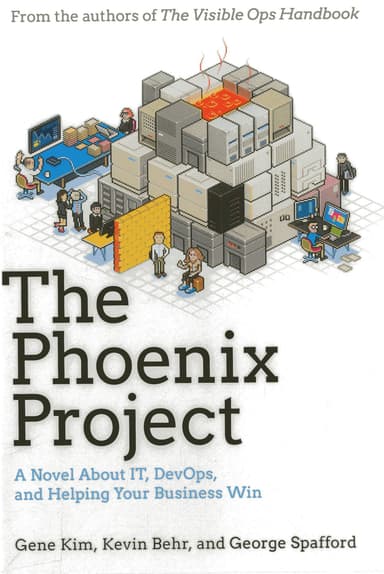
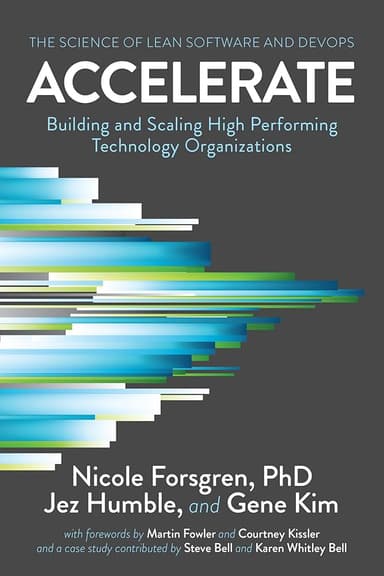
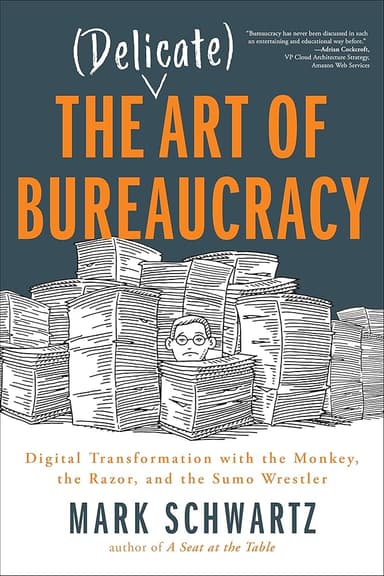
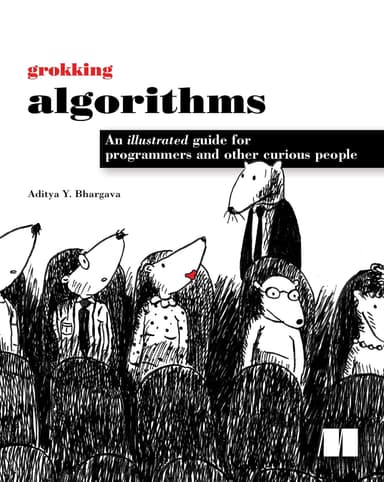
Over time, my passion has gravitated toward developer experience, tooling, and DevOps. Books like Accelerate and The Phoenix Project didn’t just teach me about delivery practices, they helped me rethink what great engineering looks like.
Technical Stack
Tools, languages, and systems I use to build reliable, scalable software.
Frontend
Backend
Cloud & DevOps
Practices
Experience
From building software to hiking across continents, here’s my journey so far.
At FTP Solutions, I work on Faarm, a real time monitoring platform for all things agriculture. Faarm combines third party data ingestion from monitoring devices into a single pane of glass, giving farmers a clear view of their operations, even in the most remote environments.
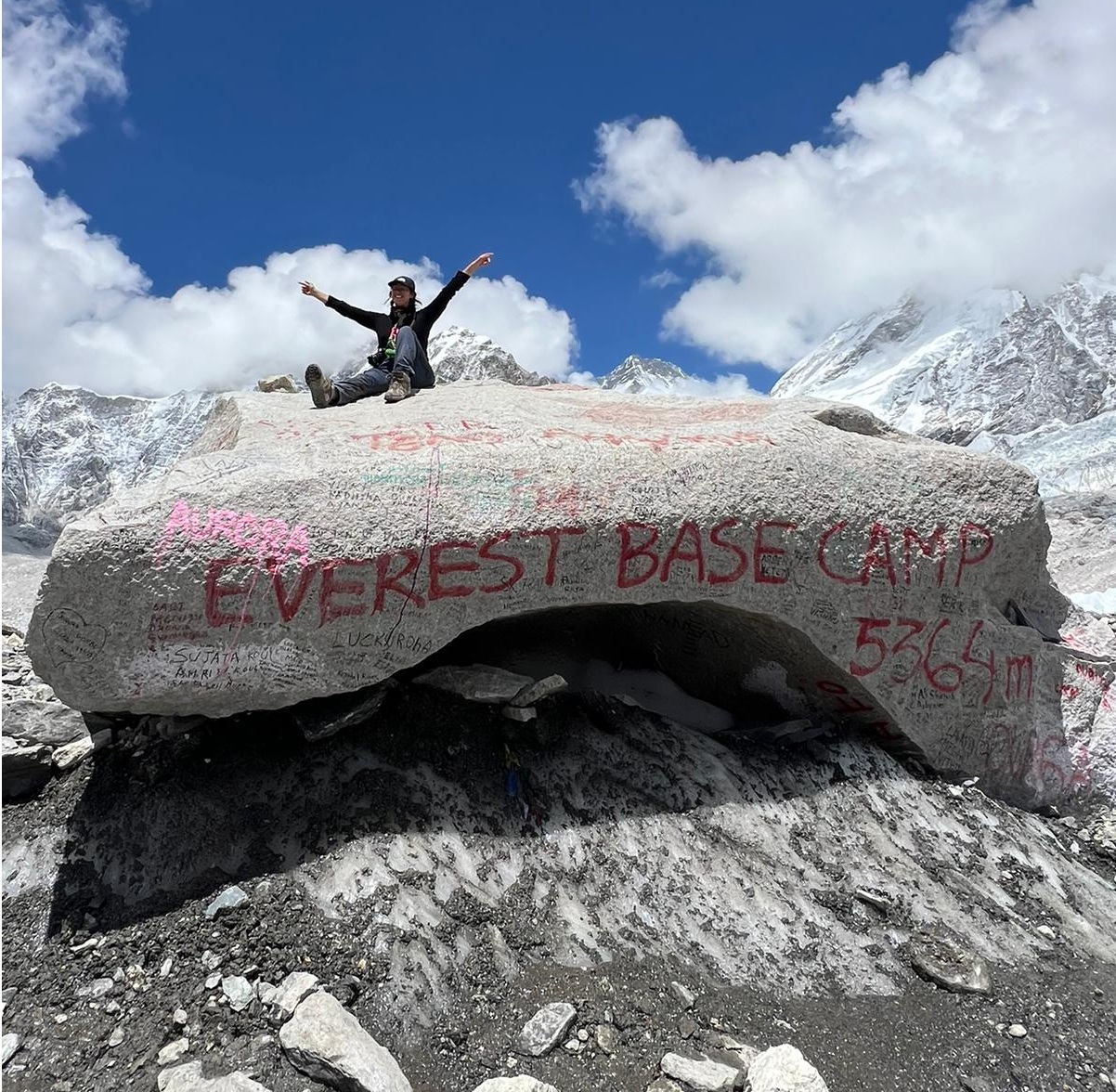
Following a personal loss, I took intentional time away from work to travel and reconnect with life.
I visited Nepal, hiking to Everest Base Camp, a high altitude journey through remote Himalayan villages and suspension bridges. Later, I continued to Europe and walked the French Camino de Santiago, a 780 km pilgrimage from Saint-Jean-Pied-de-Port in France to Santiago de Compostela in Spain.
The break gave me time to reflect and recharge. I came back with a sharper mindset and renewed energy for creative and technical challenges.

Measurement & Experimentation Platform (MEP)
I helped build scalable experimentation tooling that enabled product teams to make data driven decisions across Atlassian. Integrating with Statsig and internal systems like Switcheroo, we streamlined the rollout, tracking, and analysis of feature flags and experiments across frontend and backend services.
Atlassian Disaster Recovery (ADR)
I led automation efforts for disaster recovery across AWS, securing over 20 petabytes of media data and more than 20 billion objects in Amazon S3. I developed automated systems using AWS Lambda to enforce recovery settings such as point in time recovery and continuous backups for services like DynamoDB and RDS, alerting on and remediating misconfigurations in real time.

At VGW, I led end to end feature development for Chumba Casino, a high traffic social gaming platform generating millions in daily revenue. My role required close collaboration with stakeholders and a strong understanding of domain driven design and microservice architecture, supporting the company’s shift away from a monolithic system.
I implemented key features such as phone verification to improve platform security, and an in product messaging system that empowered the marketing team to deliver targeted user notifications.
Certifications
AWS Certified Solutions Architect – AssociateAwarded in 2020Effectively demonstrate knowledge of how to architect and deploy secure and robust applications on AWS technologies and define solutions using architectural design principles of the AWS Well Architected Framework.

At Hexagon Mining, I contributed to the in house OpenGL rendering engine powering the xViewer in MinePlan 3D, a flagship geological modeling tool. I implemented multiple viewers to render different geometry perspectives simultaneously, a feature that significantly improved usability for geologists and engineers. Alongside this, I collaborated with senior developers to optimize rendering performance and enhance the overall user experience.

Gained hands on experience in C++, OpenGL, and object oriented programming, focusing on game development and performance critical applications. Built a custom rendering engine, applying advanced real time graphics techniques, multi threading, and memory management. Developed strong foundations in data structures, algorithms, and software engineering principles.
Awards & Recognition
Ethos
Composability over Complexity
I favour modular, composable design, breaking problems into reusable, testable parts to reduce complexity.
Types That Tell the Truth
I treat types as clear contracts that improve maintainability, developer experience, and early bug detection.
Test with Purpose, Ship with Confidence
I use TDD to shape design, support confident iteration, and catch issues before production.
Featured Projects

Seamless Phone Verification for Chumba Casino
Built a secure and frictionless phone verification system to enhance user trust and boost verified signups.
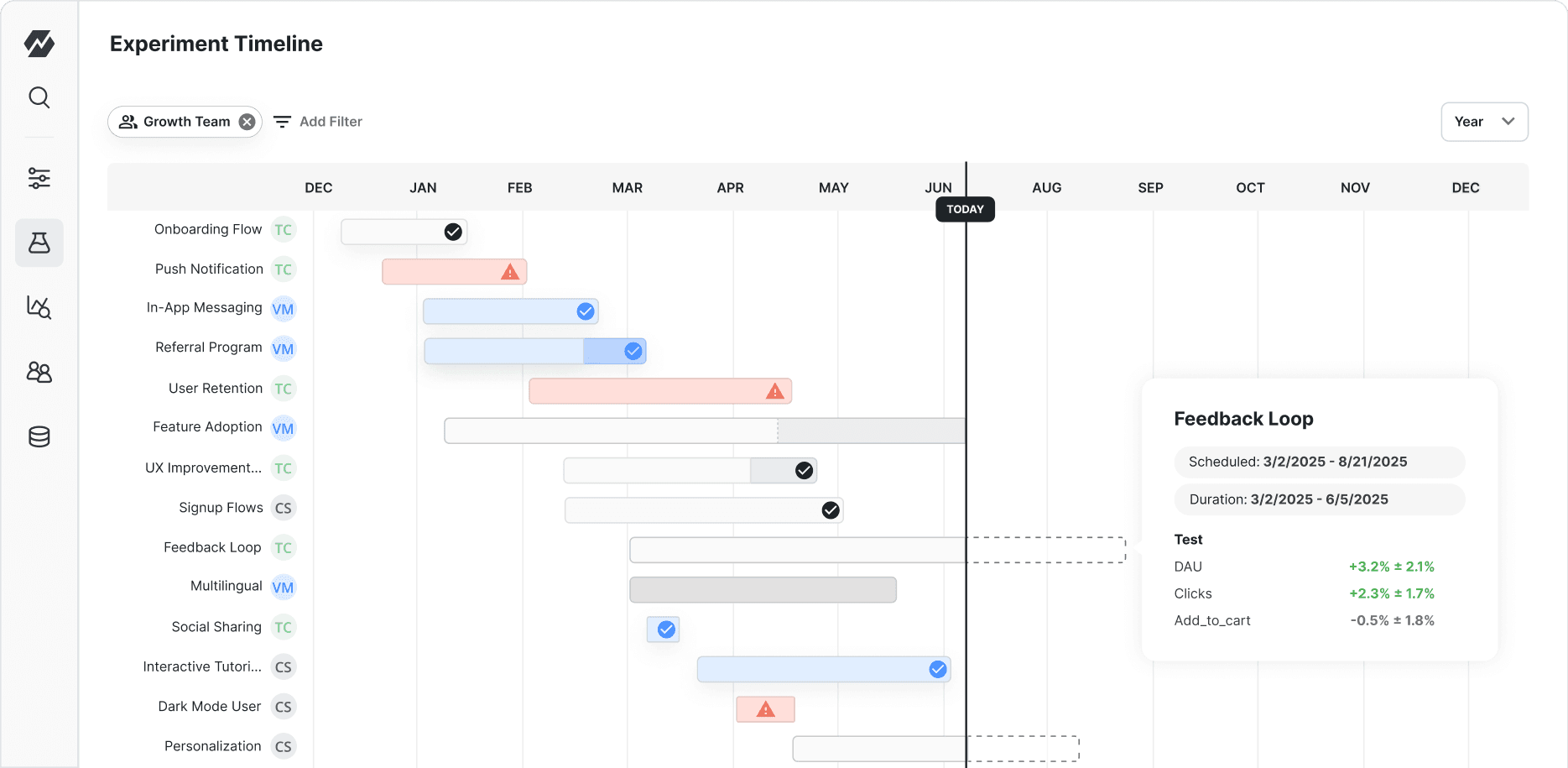
Experimentation at Scale: Rolling out the Statsig Platform At Atlassian
Built and published Node.js packages to standardize Statsig integration across Atlassian services.
Side Quests
Graphics engines, rogue game ideas, the occasional computer vision rabbit hole and other late-night engineering detours.
Tetris Tournament
A Tetris Bot Using Genetic Algorithms and Evolutionary Programming
Fennex: A 2D Monogame Platformer
A simple 2D platformer made using the Monogame API Version 3.6 and Visual Studio 2015.
OpenGL Graphics Engine
A 3D graphics engine built from scratch written in C++ / OpenGL.
Rocketdata
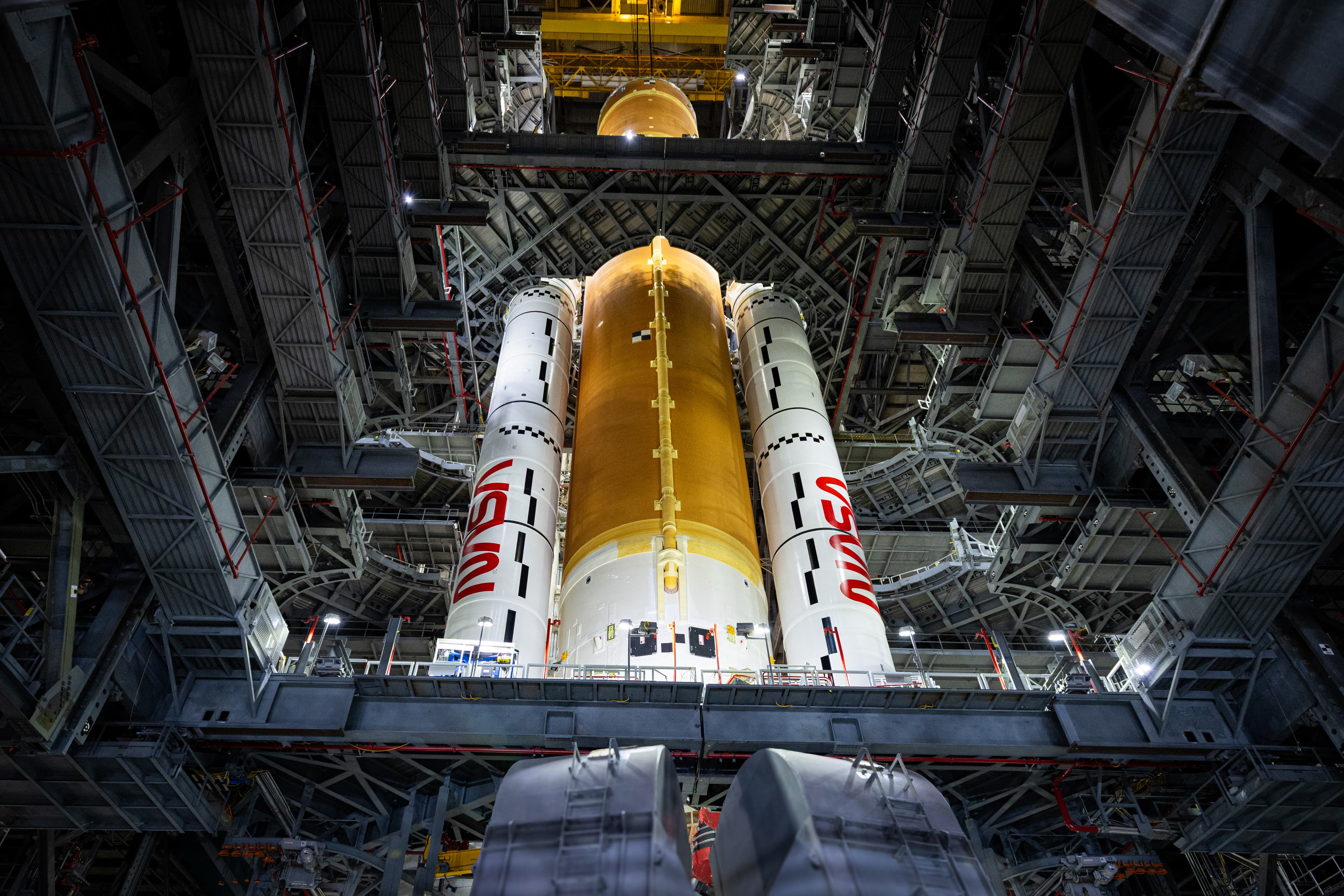
Rocketdata is a modern, lightweight Node.js wrapper for NASA's public APIs. Easily fetch data from the Astronomy Picture of the Day (APOD), Mars Rover imagery, and more.
Developer Presence
I’m active across the dev community: contributing code, answering questions, and building open tooling that helps others ship better software.
Bookshelf
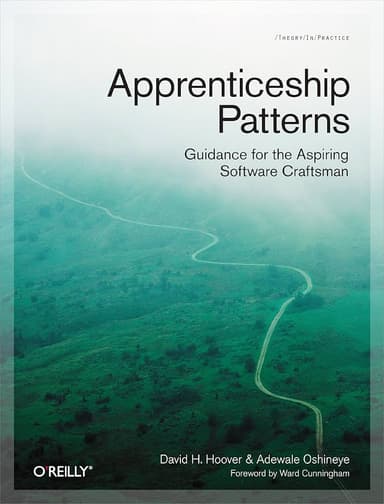
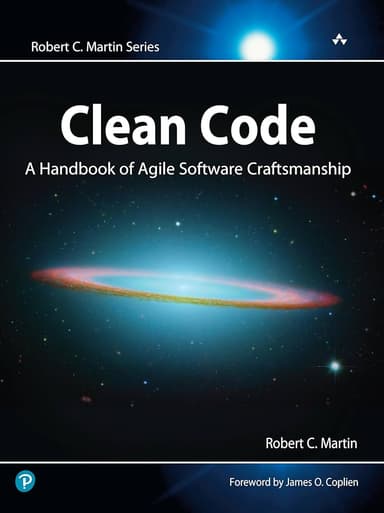
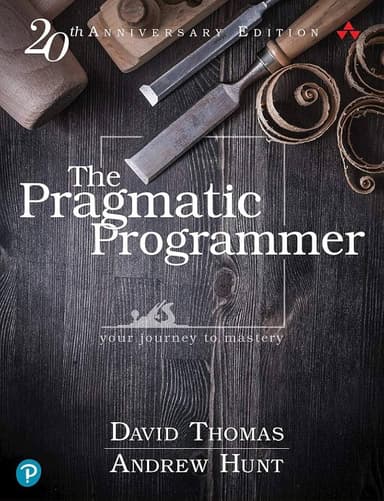
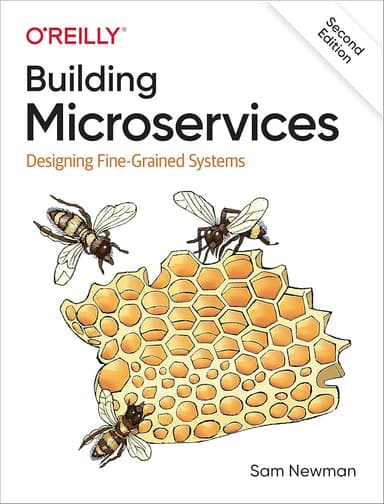
Stuff I’ve read so you don’t have to. (But you should.)